General contractor across New York City, based in the Bronx
Masonry, waterproofing, concrete and roofing in all five New York City boroughs. If water is getting in, or something is cracking, falling or failing an inspection, that is the work we do.
Call (929) 412-6597 Send photos on WhatsApp Get a written estimate
Ask for Shan. Photographs of a crack or a leak usually tell us more than a description does.
- NYC DCWP licence 2135523-DCWP
- Workers’ comp & disability on file
- 9 years as Zeetek
- Free written estimate
- 2-year workmanship warranty
Zeetek Construction is a general contractor working right across the city from our base in the Bronx, and in the rest of New York State, including Westchester County and Long Island. Most of what we do is on the outside of buildings — the brick and mortar, the facade, lintels and chimneys, stucco, roofs, and the concrete around the building — and we also take on renovations and additions.
What is going wrong, and what it usually means
Most calls we get are one of these.
-
My roof is leaking right now
What to do in the next ten minutes, and why the stain is almost never under the hole.
-
Water is coming through the brick
Usually worn mortar joints or a failed coating, not the wall itself.
-
There are cracks above my windows
A rusting steel lintel expands and lifts the brick above it. Pointing will not hold it.
-
I got a sidewalk violation in the mail
You have 75 days from the notice before the city can do the work and bill you.
-
The facade report says unsafe
An unsafe condition has to be made safe quickly, with protection in place.
-
The mortar is crumbling out
Repointing is waterproofing, not decoration. Done late, the brick itself starts to go.
-
The chimney is leaning or losing bricks
Chimneys take weather on four sides, so they fail before the rest of the wall.
Some of our own work
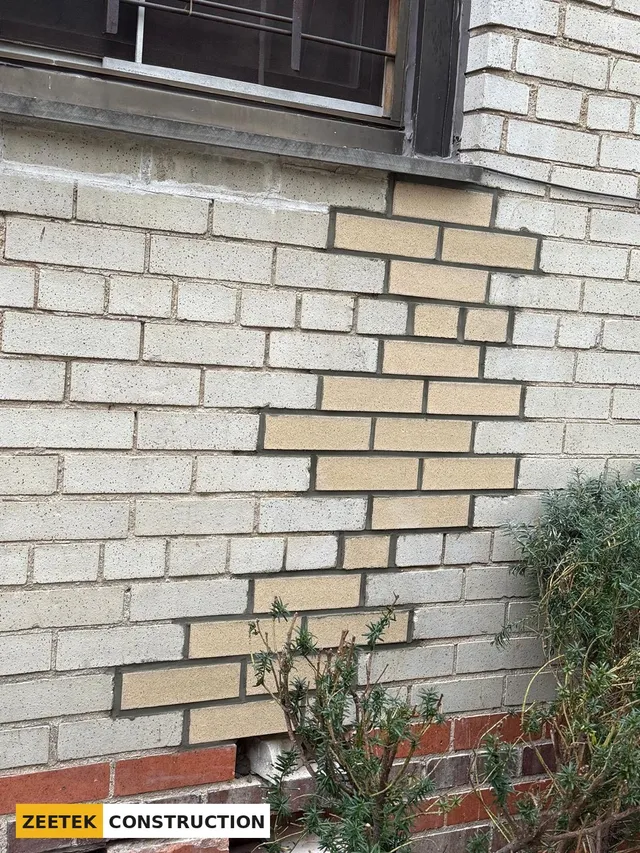
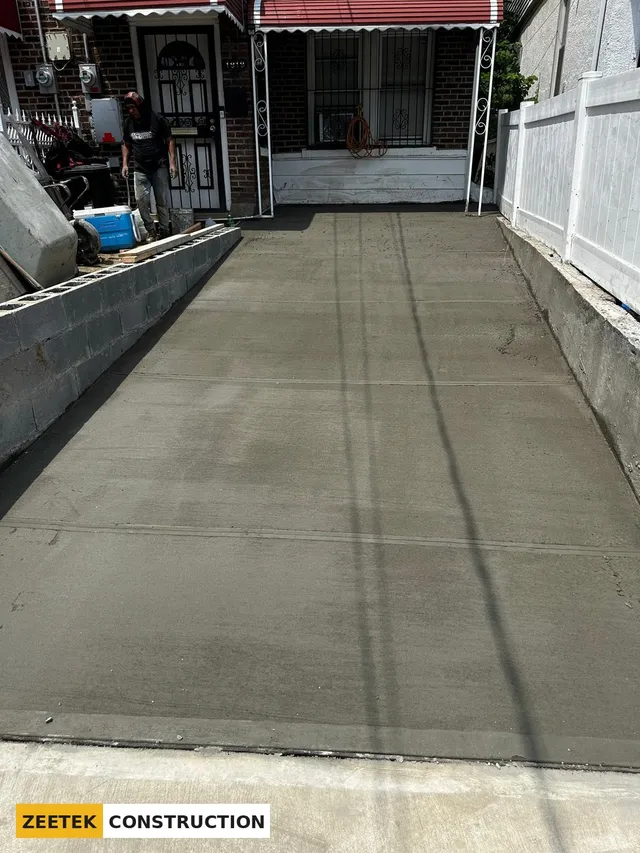
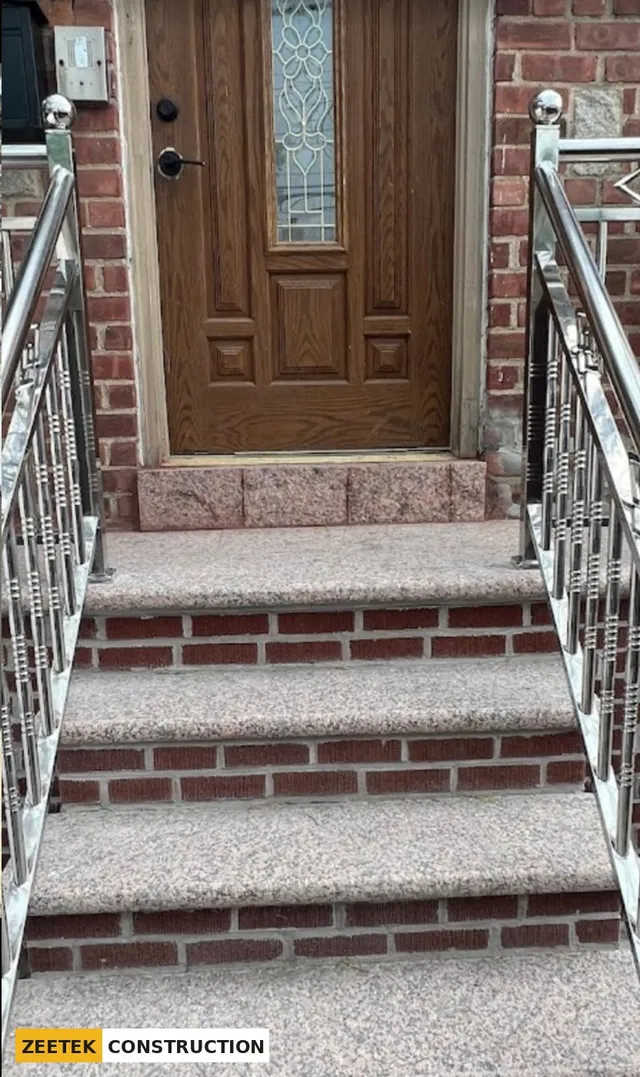
These are photographs of our jobs, not stock pictures of somebody else’s. They are here because the finish is the easy part to photograph and the part underneath is what you are actually paying for, so a few of them show the base, the drain and the framing rather than the pretty version.
-
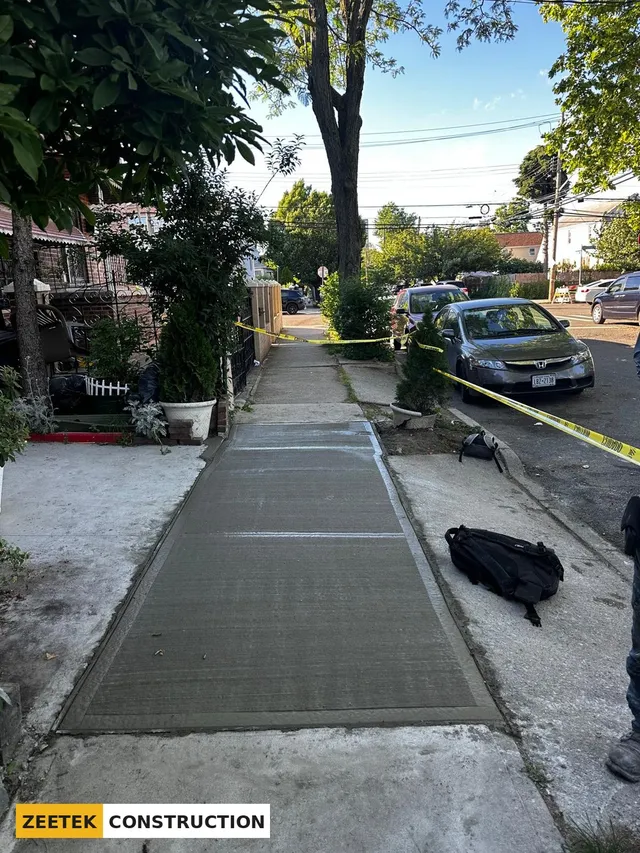 Sidewalk flags
-
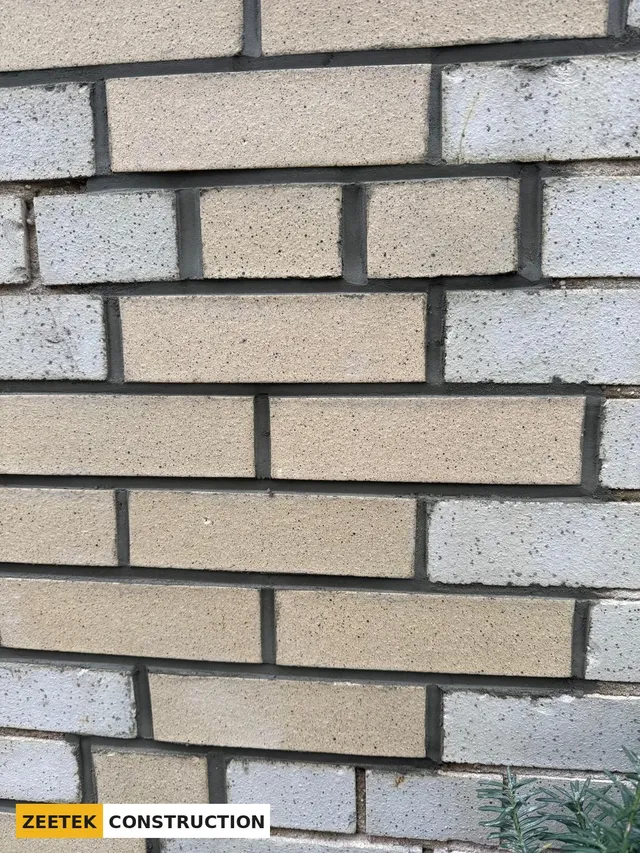 Brick & mortar
-
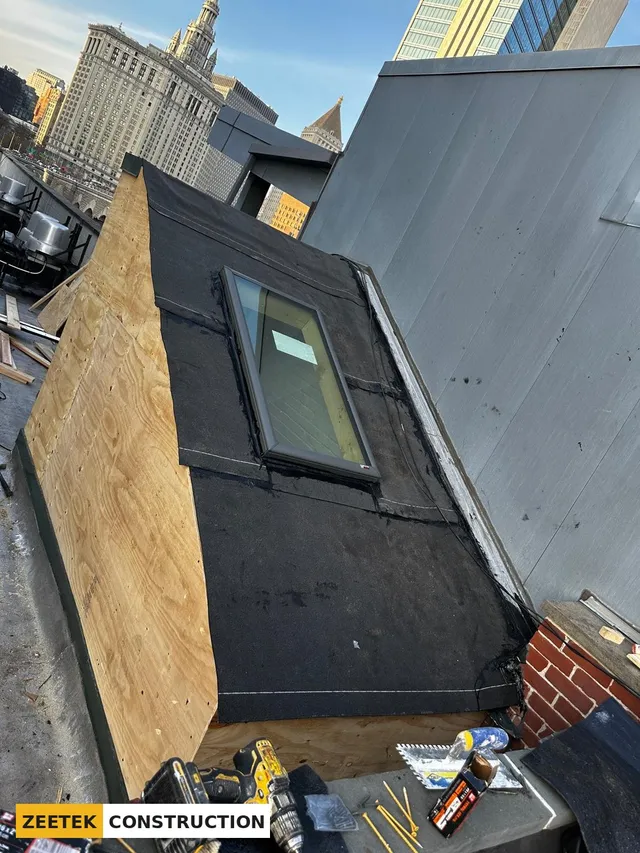 Roof bulkhead
-
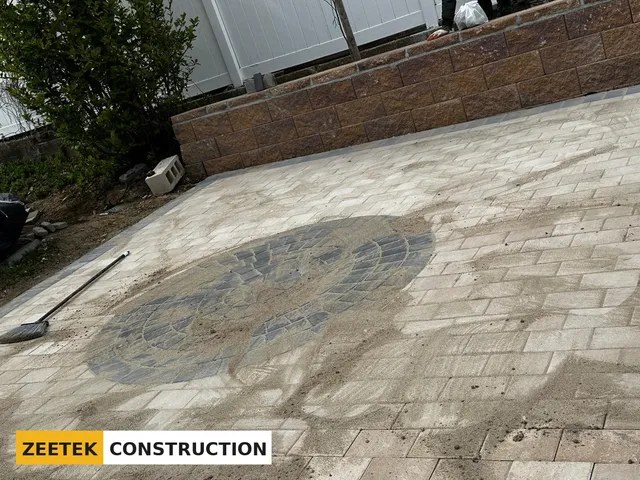 Paver patio
-
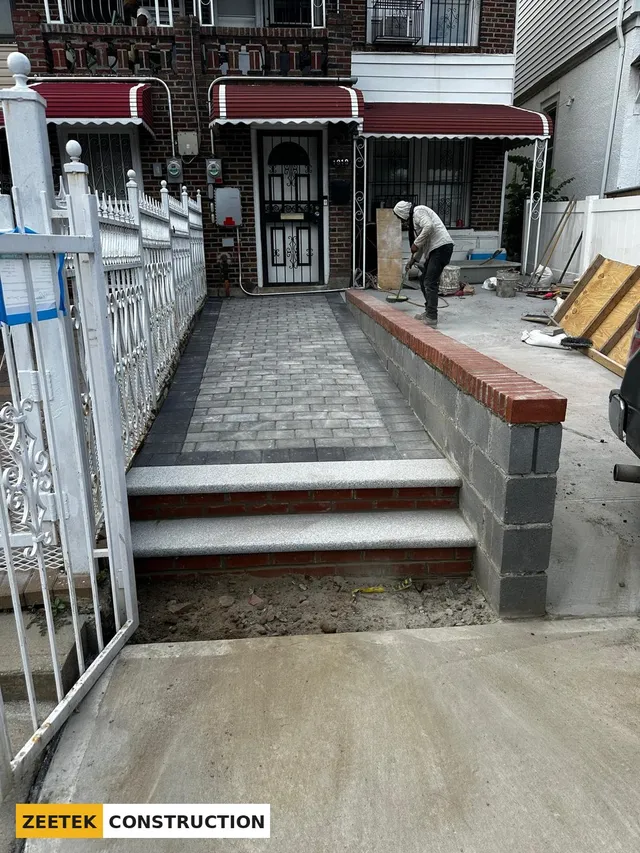 Paver walkway
-
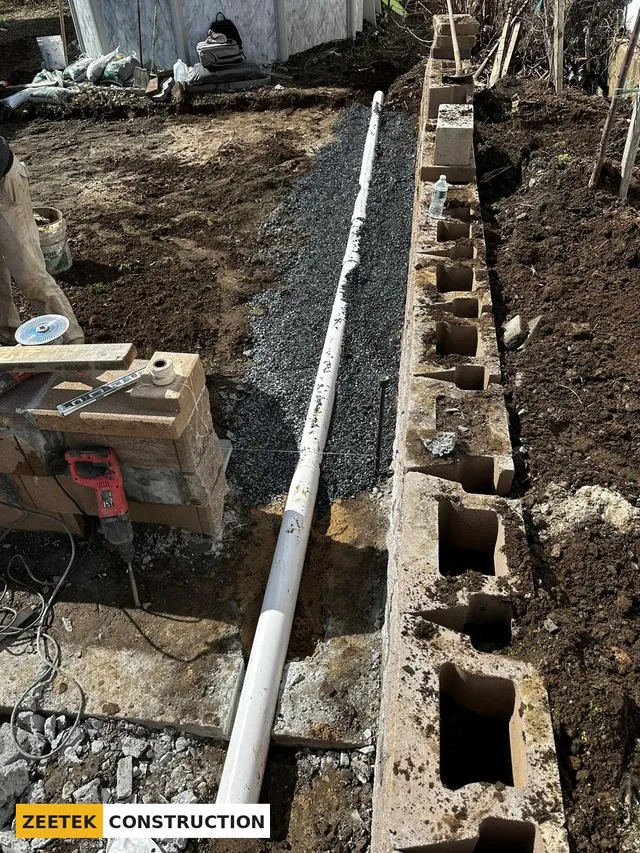 Retaining wall
-
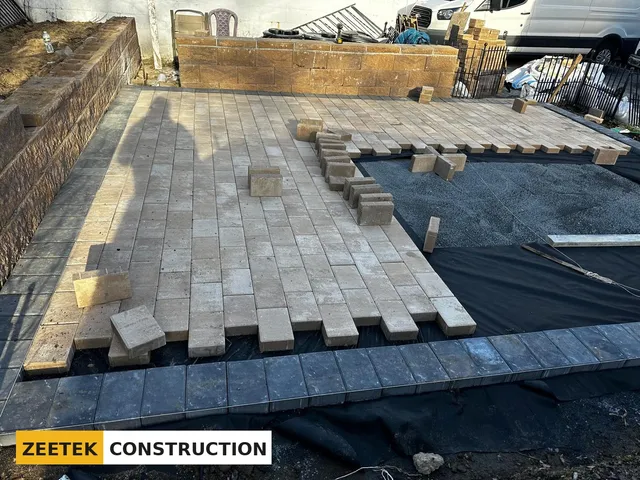 The base under it
-
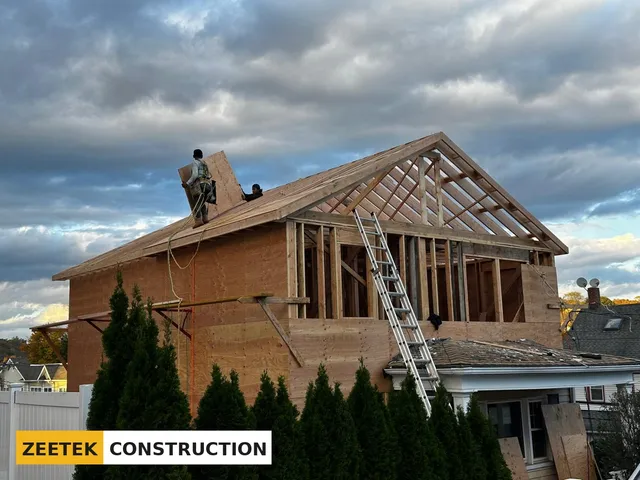 Home addition
-
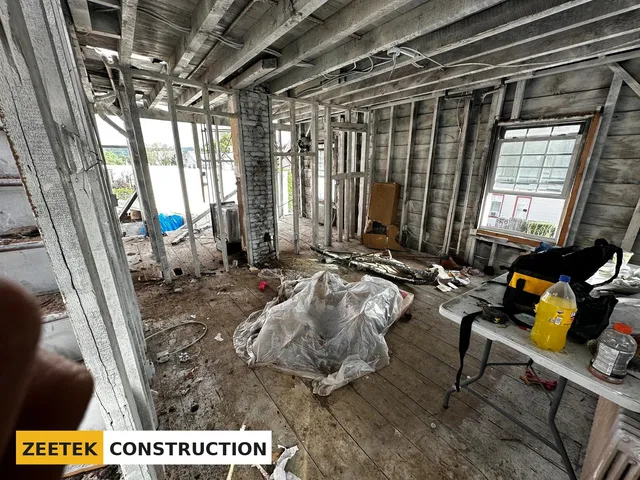 Structural work
-
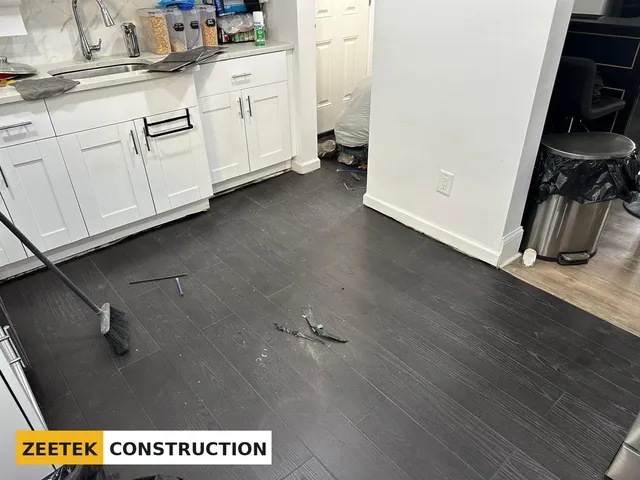 Kitchen
The stage nobody photographs
A finished walkway photographs well whatever is under it, which is exactly why a photograph of a finished walkway proves very little. The clip beside this one is the stage that decides whether the slab lasts: the forms pinned and levelled, the ground cut out and compacted, and the falls set so that water runs away from the house instead of standing against it.
Get that wrong and the concrete still looks right on the day. It shows up a winter or two later as a cracked slab, or as damp in the wall the walkway drains into.
Something like this on your building? Send us a photograph and we will tell you what we think it is.
Call (929) 412-6597 Send photos on WhatsApp Free estimate form
What we do
Five trades, grouped the way the work actually falls on a building. Each heading opens the page for the whole trade; each line underneath opens the page for that job.
-
Masonry & facades
Brick, block and stone, and the mortar that holds them together.
- Brick pointing & repointing — worn joints raked out and refilled
- Facade restoration — including Local Law 11 repairs
- Window lintels & sills — rusted steel cut out and replaced
- Chimney repair — repointing, crowns, caps, rebuilds
- Coping stone & parapets — the cap where water starts
- Limestone & granite — stone replaced, repointed, cleaned gently
- Power washing — at a pressure the wall can take
-
Waterproofing & wall coatings
Finding the route water takes into the building, then closing it.
- Exterior wall waterproofing — water coming through the brick
- Basement waterproofing — inside, outside, french drains
- Stucco repair — cracked or blown render cut back and recoated
- Thorocoat — breathable coating over brick and block
-
Concrete, paving & walls
The ground around the building, and the city rules attached to it.
- Sidewalks & violations — flags replaced to the city specification
- Stoops & front steps — concrete or faced in stone
- Paving stone — patios, walkways, driveways
- Retaining walls — built and repaired, drainage first
- Fences & gates — the survey before the posts
-
Roofing
Flat and pitched roofs on houses, walk-ups and mixed-use buildings.
- Emergency roof leak — water coming in today
- Flat & low-slope roofs — the row-house roof that leaks first
- Pitched roofs on houses — shingle, metal and slate
- Roof replacement — and whether you need one at all
- Walk-ups & mixed-use — roof and parapet together
-
Renovation & additions
Inside work and new space, with the licences and permits settled first.
- Home additions — out or up, zoning first
- Kitchen remodeling — plumbing and gas decide the cost
- Bathroom remodeling — the waterproofing behind the tile
- Basement finishing — what a basement can legally become
All of it on one page, in the order it should be done: our services.
An estimate you can actually compare
Owners who collect several bids for the same wall often get numbers that are nowhere near each other. It is rarely because one contractor is greedy. It is because the bids are not for the same work: one priced the joints, one priced the joints and the lintel, one priced a scaffold the job may not need. If the scopes are different, comparing the totals tells you nothing.
So every estimate we write is itemised. You see each item, what it covers, and what is excluded. Exclusions are written down on purpose: if something is hidden behind the wall and nobody can see it from the ground, we would rather name it as a possible change order than bury the risk in the price and charge every customer for it.
Already have a written quote? Send it over. We will go through it with you line by line, tell you what it covers and what it leaves out, and give you ours against the same scope.
Half when the work starts, half on completion.
How a job runs
- You call or send photographs. We can often tell from a photograph whether it is a pointing job or something structural.
- We come and look. Nobody can price a wall properly from the street, and we will not pretend otherwise.
- You get the scope in writing, itemised, with exclusions stated.
- We do the work and keep the site clean each day. Your neighbours have to live with it too.
- We walk the finished work with you before the final payment.
Step one takes two minutes.
Call (929) 412-6597 Send photos on WhatsApp Free estimate form
Old brick needs the right mortar
This matters more than most owners are told. Mortar is meant to be softer than the brick around it, so that when the wall moves the mortar gives way instead of the brick. Put hard modern cement into an old soft-brick or brownstone wall and the brick takes the strain instead: faces blow off, and you end up replacing units rather than joints.
So we match the mix to the wall in front of us instead of using one mortar everywhere. Where a building sits inside a historic district, the city may ask to see a mortar sample approved before anyone starts raking joints. We build that step into the programme at the quoting stage, rather than discovering it when the scaffold is already up.
What we will tell you honestly
We will not quote a wall we have not looked at, beyond a rough range from photographs. If the joints need repointing we will say so, and if the problem is the rusted steel behind them we will say that instead, even though it is a bigger and less welcome answer. Pointing over a failing lintel looks fine for a season and then opens up again, and the owner has paid twice.
If a wall is moving, bulging or has cracks that run through brick rather than through the joints, that is a question for a structural engineer before it is a question for a mason. We will tell you that rather than take the work.
We also keep to what we actually hold. Our own crews do the masonry, concrete, roofing and building work; plumbing and electrical work is carried out by licensed subcontractors, not by our own crews, and we say so in the scope rather than letting you find out on the day.
Buildings we work on
Most of what we touch is the city’s ordinary housing stock rather than towers: attached and semi-detached brick houses, two- and three-family buildings, brownstones and limestone fronts, pre-war walk-ups, and small commercial and mixed-use buildings with an apartment or two above a shop. These have predictable weak points. The parapet and the chimney get weather from several directions and fail first. The rear wall gets the least attention and the most water. South and west faces take the worst of the freeze and thaw. Steel lintels over windows rust quietly for years behind a coat of paint.
Knowing that pattern is why we look at the whole elevation rather than only the spot you called about. It is also why we will sometimes tell you that the thing you noticed is not the thing that needs the money.
For managing agents and co-op or condo boards
If you look after a building for other people, the repair is only half of what you need from a contractor. The other half is paper you can put in front of owners, shareholders or a board meeting without having to chase for it. This is what we give you as a matter of course:
- Insurance paperwork for your file. Certificate of insurance available on request, made out to the building’s owner or to the managing agent.
- Credentials anyone on the board can verify. DCWP licence 2135523-DCWP, and we are registered as a General Contractor with the NYC Department of Buildings; the registration itself is shown to you on request.
- A bid a board can compare. Every estimate is an itemised written scope of work, with exclusions stated, so two quotes can be laid side by side item for item. If you already hold another contractor’s quote, send it and we will price against the same scope.
- No money before a signed scope. Half when the work starts, half on completion.
The city deadlines that land on a managing agent’s desk are mostly about the outside of the building, which is our side of the work. On a Local Law 11 facade report we carry out the repairs your inspector lists, with a scope keyed to the numbered conditions; the inspection and the filing stay with your engineer or architect. The annual parapet observation under Local Law 126 often turns up open joints or loose coping, and that masonry is ours to fix. A DOT sidewalk violation comes with its own clock, explained step by step in our guide.
Licence and insurance you can check
We hold NYC DCWP Home Improvement Contractor licence 2135523-DCWP, and we carry workers’ compensation and New York State disability cover. Insurance policy numbers are shown here with the last digits hidden, because a full policy number on a public page can be misused; the certificate itself goes to you or your managing agent.
You do not have to take our word for any of it. Put the licence number into DCWP’s own licence search, or call 311. The licence and insurance page shows the numbers, the limits and how to request a certificate.
Where we work
The Bronx, Queens, Brooklyn, Manhattan and Staten Island, from our base in the Bronx. Our office address is 3457 Olinville Ave, Bronx, NY 10467 and our hours are Open 24 hours.
Outside the city we also take on work in the rest of New York State, including Westchester County and Long Island. Most of our jobs and all of the borough-by-borough detail below are New York City, because that is where most of our work is; if your building is further out, send photographs the same way and we will tell you straight away whether we can take it on.
The five boroughs are not one market. A Brooklyn brownstone, a Queens two-family with a driveway and a detached Staten Island house fail in different ways and want different repairs, so each borough has its own page rather than the same page with the name swapped.
-
The Bronx
Our base. Attached brick row houses and roughly 19,100 masonry walk-ups; about half the stock predates 1940, so the brick is soft and wants a lime-based mortar.
-
Brooklyn
About 73% of the building stock predates 1940. Brownstone and limestone fronts, and stoops that settle off their footings.
-
Queens
79% of buildings are one- or two-family houses. Driveways, front steps and semi-detached brick, with pre-war and post-war brick side by side.
-
Manhattan
Only 2% one- and two-family. Tall masonry facades, historic districts, and work driven by a filed inspection report rather than by a cracked wall.
-
Staten Island
Mostly detached houses and only 21% pre-1940, so it is brick repair, front steps, retaining walls and exposed chimneys rather than wholesale repointing.
Compare the five boroughs side by side, with the building-stock figures behind each one.
Where to find us
This is the address on our Google Business Profile.
3457 Olinville Ave, Bronx, NY 10467
Questions people ask before hiring us
Do you charge to come and look?
No. Free written estimate, after we have seen the work. From photographs we can usually give a rough range and tell you whether it is a small job or a large one, but we will not put a firm number on a wall we have not stood in front of.
Are you licensed and insured?
Yes. NYC DCWP Home Improvement Contractor licence 2135523-DCWP, which you can look up yourself, plus workers’ compensation and New York State disability cover. Certificate of insurance available on request, made out to you or your managing agent.
Is the work guaranteed?
Two-year written warranty on our workmanship, from the day the job is signed off. It covers our workmanship; materials carry their own manufacturer’s cover.
How does payment work?
Half when the work starts, half on completion. Nothing is asked for before there is a signed, itemised scope.
Do you do the plumbing and electrical too?
No. On our jobs, plumbing and electrical work is carried out by licensed subcontractors, not by our own crews. Where a job needs them, the scope says so and names who does what.
How far do you travel?
We work in all five New York City boroughs, and in the rest of New York State, including Westchester County and Long Island. The office is in the Bronx, so the Bronx, upper Manhattan, Queens and lower Westchester are the shortest trips.
Work out what you are dealing with first
Some of what we get asked is not really a quoting question, it is a “what does this notice mean” question. These are written from the rules themselves rather than from someone else’s blog, with the sources linked, and they will tell you if you do not need a contractor at all.
-
An NYC sidewalk violation, step by step
What the notice means, how the 75 days are counted, and how to get it dismissed.
-
Local Law 11 (FISP): Unsafe and SWARMP
What each classification obliges you to do, and the deadline that is already running.
-
Local Law 126 parapet observations
Every street-facing parapet, every year, at any height.
-
Repointing vs tuckpointing
One is a repair, one is a decorative finish, and most jobs sold as the second are the first.
Tell us what is going on
Call (929) 412-6597, or send photographs and we will come back to you with what we think it is. The estimate page has a short form that builds the message for you. If you want to know who you would be dealing with first, that is on the about page.